
Rethinking the First Move: Why Your 'Starter' Home Might Be Your 'Forever' Home
The Death—and Rebirth—of the Starter Home
For decades, the "starter home" followed a predictable script: buy small, build equity, and move up within a few years. However, as Mike Bruce, a real estate professional from Denver, highlights, high home prices and limited inventory have rewritten that script. In many markets, the "entry-level" price point has climbed so high that the traditional starter home feels out of reach.
The consensus among the experts is that the starter home isn't dead; it’s just being reimagined. Buyers are now prioritizing longevity and flexibility over the classic "stepping stone" mentality. If you’re buying today, you aren't just looking for a place to sleep; you’re looking for a property that can handle life’s changes for the next decade.
Prioritizing Condition over Cosmetics
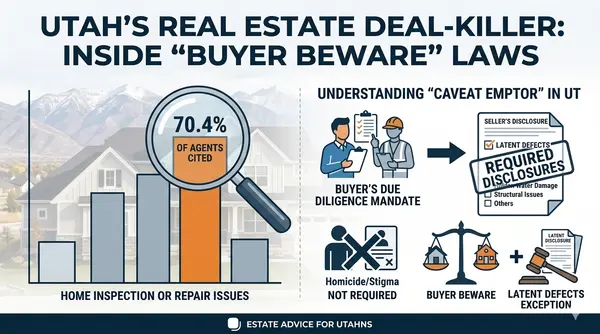
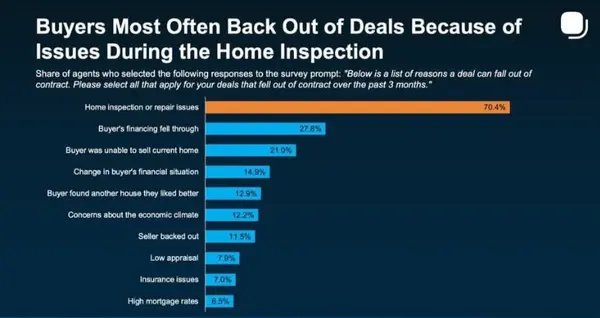
One of the most critical segments of the discussion focused on the physical health of a home. Matt Cook from HomeTeam Inspection Service emphasized that when budgets are tight, a home’s condition can make or break a deal.
In a market where buyers are already stretching their finances to cover the down payment and mortgage, there is very little "wiggle room" for major surprise repairs. Cook points out several "red flag" inspection items that buyers simply cannot ignore:
-
Structural Integrity: Foundation issues or major roof failures can cost tens of thousands of dollars.
-
Systemic Failures: Aging HVAC systems or outdated electrical panels aren't just expensive; they can be safety hazards.
-
Water Damage: Signs of mold or chronic basement leaks suggest long-term maintenance neglect.
The takeaway? It’s okay to buy a "dated" home with ugly wallpaper, but buying a "sick" home with a failing foundation can lead to financial ruin for a first-time owner.
The Olympic Mindset in Real Estate
Adding a unique perspective to the conversation was Korey Dropkin, a Minnesota REALTOR® and silver medalist at the 2026 Winter Olympics. Dropkin draws a parallel between elite athletics and the current housing market: both require immense resilience and a long-game strategy.
In a competitive market, first-time buyers often face rejection and multiple-offer situations. Dropkin’s advice is to maintain a "marathon" mindset. Success comes to those who remain disciplined, work closely with their professional team, and don't let the emotional highs and lows of the search derail their ultimate goal of homeownership.
Trends in Home Design: What’s "Hot or Not"
The episode concluded with a look at design trends from Jennifer Adams of Engel & Völkers. For those looking at starter homes that might need a little DIY love, knowing where to focus your energy is key.
-
Hot: Flexible living spaces. Rooms that can function as both a home office and a guest suite are high in demand.
-
Not: Overly "themed" rooms or heavy, dark finishes. Today’s buyers (and future buyers when you eventually sell) want light, airy, and neutral spaces that feel expansive even in smaller footprints.
Final Thoughts for Today’s Buyers
Rethinking the starter home means shifting your expectations from "perfect" to "permanent enough." By focusing on the structural bones of a property and being willing to compromise on aesthetic details, you can still find a foothold in the American Dream.
The market may be shifting, but with the right inspection, a resilient mindset, and a focus on long-term value, your first home can still be the most important investment you ever make.
Is the Starter Home Dead? This video provides further context on the economic challenges first-time buyers face and why many are feeling "priced out" of the traditional American Dream.


Categories
Recent Posts