
The "Let the Buyer Beware" Myth: What Utah Homeowners Really Need to Know
In the world of Utah real estate, there is a phrase that carries more weight than almost any other: Caveat Emptor, or "Let the Buyer Beware."
To many, this sounds like a warning that the housing market is a "free-for-all." But the reality in 2026 is far more structured. While Utah law places the primary burden of discovery on the buyer, it also sets a high bar for seller honesty. Understanding this balance is the difference between a successful closing and a deal that collapses at the eleventh hour.
The Data: Why Inspections are the Ultimate Deal-Killer
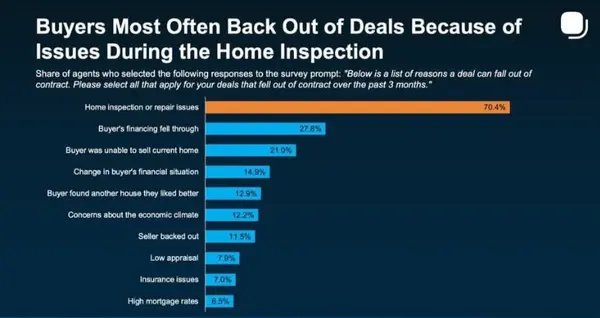
Recent data from a survey of real estate agents reveals a startling truth: when a deal falls out of contract, it is rarely because of a bad appraisal or a change in mortgage rates.
By an overwhelming margin, 70.4% of agents report that home inspection or repair issues are the primary reason their deals fail. This is more than 2.5 times higher than the second-place reason (financing issues at 27.8%).
In a "Buyer Beware" state like Utah, the inspection isn't just a formality—it is the buyer's primary legal shield. Because the law expects buyers to protect themselves, they use the inspection period to dig deeper, often uncovering issues that lead them to walk away.
The Utah Standard: Your Responsibility vs. The Seller's Duty
In Utah, a seller is generally not liable for defects that a "reasonably prudent" buyer could have discovered through their own due diligence. If there is a visible water stain or a giant crack in the driveway that you didn't investigate, you generally cannot sue the seller after the fact.
However, the Utah Supreme Court has carved out a major exception: Latent Material Defects. * Latent: Hidden issues that an ordinary inspection wouldn't find (e.g., a cracked foundation behind a finished basement wall).
-
Material: Problems so significant they would change a buyer’s mind about the purchase or the price.
Sellers must disclose these if they have actual knowledge of them. If a seller knows about a hidden defect and stays silent, the "Buyer Beware" protection disappears, and they may be liable for fraud.
The Disclosure Divide: 10 Examples You Need to Know
To help navigate the grey areas, here are 5 things Utah sellers must disclose and 5 they are legally allowed to keep quiet about.
| Must Disclose (Latent Material Defects) | No Duty to Disclose (Buyer Beware/Stigmas) |
| Past Water Damage: Even if currently dry, a history of basement flooding or roof leaks must be shared. | Stigmatized Events: You do not have to volunteer that a death, suicide, or felony occurred on the property. |
| Remediated Meth Contamination: If the home was ever used as a meth lab, it must be disclosed unless certified as decontaminated. | Visible Wear and Tear: Scratched floors or peeling paint are "patent" (obvious) defects; the buyer is expected to see them. |
| Foundation Issues: Known structural settling or framing damage must be revealed. | Previous Ailments: Information about a previous occupant having a non-communicable disease (like HIV/AIDS) is protected. |
| Major System Failures: A cracked heat exchanger or a failing sewer line cannot be hidden. | Neighborhood Nuisances: Sellers aren't required to disclose a neighbor’s barking dog or "ugly" nearby yards. |
| Boundary Disputes: If you know your fence is on the neighbor's property, that is a material fact. | Nearby Registered Sex Offenders: The burden is on the buyer to check the public registries. |
Protecting Your Transaction
The takeaway for Utahns is clear:
-
For Sellers: Transparency is your best insurance policy. Disclosing a known issue upfront might lead to a negotiation, but it prevents a lawsuit for fraudulent nondisclosure later.
-
For Buyers: "Buyer Beware" is a mandate to be thorough. Since the law expects you to investigate, never skip the professional inspection. It is your only chance to uncover the truth before you are legally bound to the home.
Navigating the intricacies of Utah’s disclosure laws requires a professional who knows how to spot the red flags before they become deal-breakers. Whether you’re buying or selling, we’re here to ensure your interests are protected from the first showing to the final signature.
Categories
Recent Posts