
The History of Springville Fire Station 41: A Legacy of Service Since 1889
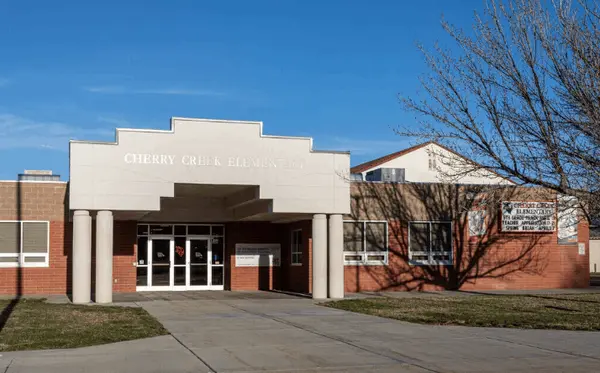
The sirens you hear today echoing through the streets of Springville belong to a legacy that spans over 135 years. While the signage on the brick building at 75 West Center Street reads "Station 41," this landmark is more than just a garage for engines and ambulances; it is the heartbeat of Art City’s public safety history.
From the days of horse-drawn carts to the high-tech, 24/7 professional response team of today, the story of Station 41 is a reflection of Springville’s own growth and resilience.
The Era of the Bucket Brigade (1889–1910s)
In the late 19th century, fire protection in Springville was a matter of community grit. When the cry of "Fire!" went up, residents would drop their plows or store tools and rush to form a bucket brigade. The city officially organized its first volunteer fire department in 1889, primarily utilizing hand-pulled hose carts stationed in small sheds throughout the town.
Communication was the biggest hurdle. Without a central station or a radio system, the town’s alarm was often a ringing church bell or a heavy iron triangle. Every second counted as volunteers raced to the scene, hoping the local wells and cisterns hadn't run dry.
The Motorized Revolution and the 1920 LaFrance
The true turning point for the department came in 1920 with a massive investment that would define Springville’s firefighting identity for decades. The city purchased its first motorized fire engine: a 1920 American LaFrance. This gleaming red machine could pump 750 gallons of water per minute—a staggering feat for the time—and it signaled the end of the horse-drawn era.
This engine wasn't just a tool; it was a symbol of a modernizing city. Today, that very engine remains a cherished piece of Station 41’s history, meticulously maintained and brought out for Art City Days to remind residents of the department's mechanical roots.
75 West Center: Establishing the Heart of the City
As the city’s footprint expanded, the need for a centralized, dedicated headquarters became undeniable. The department eventually moved its primary operations to 75 West Center Street. This location was strategic—nestled between the historic residential blocks and the growing commercial district.
For much of the mid-20th century, the "Center Street Station" was a social and civic hub. It was a place where volunteers met for training, maintained their equipment with pride, and served as the first line of defense against the fires that occasionally threatened the city’s wooden-framed downtown buildings.
The Birth of "Station 41"
The designation "Station 41" didn't actually come from Springville city hall, but rather from a move toward regional cooperation. As Utah County grew, it became clear that emergency services needed a way to work together seamlessly. In the latter half of the 20th century, the county established a unified dispatch system.
To prevent confusion when multiple cities responded to a single emergency, every city was assigned a "series" of numbers. Springville was assigned the 40s. Because the Center Street location was the primary headquarters and the oldest standing facility, it was designated Station 41. The substation later built near the canyon became Station 42, and the newer facility on the west side became Station 43. This numbering system transformed the department from a localized group of volunteers into a vital node in a county-wide safety network.
Modernization and Professionalism
In the last twenty years, Station 41 has undergone a quiet but profound transformation. What was once a garage for volunteer equipment is now a 24/7 professional facility. The shift from a "volunteer-only" model to a "combination" and eventually a heavily professionalized department meant the building had to change.
Modern Station 41 includes living quarters for crews who spend 48-hour shifts on-site, advanced medical bays for the city’s Paramedic/EMT services, and reinforced structures to withstand the seismic risks of the Wasatch Front. The station now houses an impressive fleet, including specialized brush trucks for canyon fires and high-tech "Medics" (ambulances) that act as mobile emergency rooms.
A Legacy of Service
Despite the high-tech thermal imaging cameras and the sophisticated computer-aided dispatch screens that now fill the building, the spirit of Station 41 remains unchanged since 1889. It is built on the principle of "neighbors helping neighbors."
Next time you drive past the large red doors on Center Street, take a moment to look at the number "41." It stands for more than a decade of Utah County code; it stands for over a century of men and women who have stood ready to answer the call, ensuring that Springville remains a safe place to call home. Whether it’s the roar of the 1920 LaFrance in a parade or the silent, steady presence of today’s first responders, Station 41 is a monument to the city’s enduring commitment to its people.
Image from: An Errant Knight, CC BY-SA 4.0 <https://creativecommons.org/licenses/by-sa/4.0>, via Wikimedia Commons
Categories
Recent Posts