
Is the Tide Turning? Why Housing Affordability is Finally Giving Buyers a Break
For the better part of two years, the real estate market has felt like an uphill battle for many. High interest rates, soaring prices, and a "lock-in" effect that kept sellers from listing their homes created a stagnant environment. However, the latest data from the National Association of REALTORS® (NAR) suggests that the "gloomy winter" of the housing market is beginning to thaw.
With existing-home sales ticking up 1.7% in February and housing affordability showing measurable improvements nationwide, the spring season is shaping up to be more active than many anticipated. Here is a deep dive into the shifting dynamics of the market and what they mean for you.
The Affordability Equation: Why Now?
The most significant takeaway from the NAR report is the marked improvement in the Housing Affordability Index. While "affordable" is a relative term in today’s economy, three specific levers are currently moving in the buyer's favor: lower mortgage rates, rising wages, and moderating home prices.
1. The Power of a 1% Drop
At the start of 2025, mortgage rates hovered around 7%. By February, they had settled closer to 6%. While a 1% difference might sound small, NAR Chief Economist Lawrence Yun points out that this shift puts roughly $2,000 per year back into a buyer’s pocket. More importantly, it expands the pool of eligible buyers. This 1% decline has qualified an additional 5.5 million households for a mortgage, including 1.6 million renters who are finally finding a path to homeownership.
2. Wages Are Outpacing Prices
For years, home prices grew at a pace that made wage increases feel negligible. We are finally seeing a reversal of that trend. Currently, wage growth is outpacing home price growth by nearly four percentage points. As incomes rise and the median home price stabilizes—climbing only 0.3% year-over-year to $398,000—the "affordability gap" is slowly starting to close.
A Win for First-Time Buyers
First-time buyers have been the most vulnerable demographic in the recent high-rate environment. However, the February data shows they are making a modest but firm comeback. First-time buyers comprised 34% of sales in February, up from 31% a year ago.
This resurgence is a healthy sign for the ecosystem. When first-time buyers enter the market, it allows current homeowners to sell their entry-level properties and move up, creating the "housing ladder" effect that keeps the market moving.
Regional Variations: The West is Leading the Way
While affordability improved across all regions, the West saw the most dramatic shift. Existing-home sales in the West surged 8.2% month-over-month. This is largely due to the fact that the West—historically the most expensive region—saw home prices actually moderate and drop by 1.9% year-over-year.
Conversely, the Northeast saw a slight dip in sales, likely due to extremely tight inventory and a 3.3% increase in median prices. The Midwest and South remained steady, showing modest gains in sales activity and stable pricing.
The Inventory Dilemma
While sales are perking up, we aren't back to "normal" yet. Lawrence Yun notes that despite having 6 million more jobs today than in 2019, annual home sales are still down by about a million units compared to pre-pandemic levels.
The missing piece of the puzzle remains inventory. While housing supply is up 2.4% from January and 5% from a year ago, it is still not enough to meet the underlying demand. "If demand picks up notably and outpaces supply growth, home prices will inevitably rise," Yun warns. This makes the current window—where prices are flat and rates are lower—a potentially sweet spot for buyers before competition intensifies further.
More Room to Negotiate
Perhaps the best news for buyers isn't just the price, but the process. The "bidding war" frenzy of 2021 and 2022 has significantly cooled. Only 14% of homes sold above asking price in February, a sharp drop from 21% the previous year.
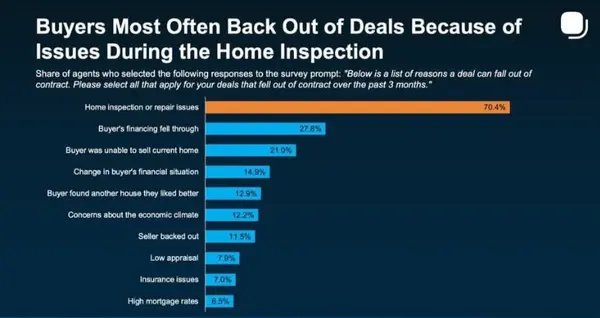
Furthermore, homes are staying on the market longer—averaging 47 days compared to 42 last year. For a buyer, those extra five days represent the difference between making a panicked decision and having the time to conduct a proper inspection and negotiate repairs.
Looking Ahead to Spring
The February data proves that consumers are responsive. When the cost of borrowing drops and prices stabilize, the desire for homeownership remains as strong as ever.
However, challenges remain. Cash buyers still account for 31% of transactions, meaning financed buyers are still competing with equity-rich investors. Additionally, the market remains sensitive to any fluctuations in inflation that might cause the Federal Reserve to adjust its stance on rates.
The Bottom Line: If you have been waiting on the sidelines for the "perfect" time to buy, the data suggests that the environment is currently more favorable than it has been in years. With more inventory, better negotiating power, and improved affordability, the spring market may finally offer the opportunity many have been waiting for.
Categories
Recent Posts