
Avoiding the Gavel: 8 Legal Reasons Homebuyers Can Sue (and Win)

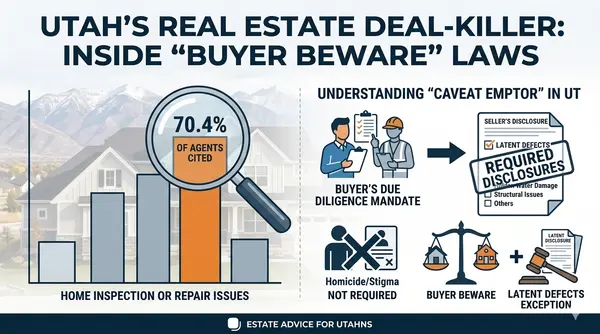
Selling a home is often viewed as a financial triumph or a bittersweet farewell, but beneath the surface of signatures and handshakes lies a minefield of potential litigation. While most sellers believe that the “buyer beware” (caveat emptor) philosophy shields them once the keys are handed over, the modern legal landscape is much more protective of consumers. In fact, if a seller is dishonest—or even just forgetful—they could find themselves in a courtroom months or even years after the closing date.
Based on insights regarding the legal pitfalls of real estate transactions, here is an analysis of the eight primary reasons homebuyers can successfully sue a seller.
1. Failing to Disclose Known Issues
The most common cause of post-sale litigation is the failure to disclose "material facts." Most states require sellers to provide a written Seller’s Disclosure, a document where they must list known defects such as roof leaks, mold, or structural issues. If you knew the basement flooded every spring but failed to mention it, you have essentially committed misrepresentation. Courts take a dim view of sellers who intentionally withhold information that would have influenced the buyer's decision or the purchase price.
2. Neglecting to Disclose Remediated Problems
A common misconception among sellers is that if a problem was fixed, it no longer needs to be mentioned. For example, if you had a termite infestation three years ago and treated it, you might think the issue is "dead." However, legal standards often require you to disclose the history of the home. If the termites return or if the previous damage causes a structural failure later, the buyer can sue if they find evidence that you knew about the history and stayed silent. Transparency regarding past repairs—along with receipts—is your best defense.
3. Actively Hiding Defects (The "Band-Aid" Approach)
There is a significant legal difference between failing to mention a leak and taking active steps to hide one. Painting over a water stain on the ceiling or placing a heavy rug over a cracked foundation is considered active concealment. When a buyer discovers these "cover-ups," it moves the case from simple negligence into the realm of fraud. Fraud is much easier for a buyer to win in court and often carries heavier financial penalties, including punitive damages.
4. Removing "Fixtures" Included in the Contract
Real estate contracts specify what stays and what goes. Generally, anything "attached" to the home is considered a fixture (e.g., chandeliers, curtain rods, built-in shelving). If a buyer falls in love with a specific antique light fixture and it isn't explicitly excluded in the contract, they legally own it upon closing. If you take it with you and replace it with a cheaper alternative, you have breached the contract. While it may seem like a small item, these disputes often escalate into legal battles over the cost of replacement and breach of trust.
5. Making Verbal Misrepresentations
Sellers often make offhand comments during walkthroughs, such as, "The neighbors are the quietest people on earth," or "This roof will last another twenty years." If the neighbors turn out to have a heavy metal band that practices at midnight, or the roof collapses two months later, those "innocent" comments can be used as evidence of negligent misrepresentation. It is always safer to let the professional inspectors and the written contract do the talking.
6. Breach of Contract
A real estate transaction is a binding legal agreement. If a seller decides at the last minute that they no longer want to move—perhaps because they couldn't find a new house or they received a better offer—they cannot simply walk away. If the buyer has met all their contingencies, the seller is legally obligated to sell. A buyer can sue for "specific performance," which is a court order forcing the seller to complete the sale, or for damages incurred during the failed process.
7. Honest Mistakes and Omissions
In the eyes of the law, "I didn't know" isn't always a valid defense. If a seller makes an honest mistake on the disclosure form—such as miscalculating the age of the HVAC system or forgetting about a minor repair—they can still be held liable for the buyer’s losses. This is why it is critical for sellers to be meticulous and conservative in their estimations. If you aren't 100% sure about a fact, it is better to mark it as "unknown" than to guess incorrectly.
8. Title and Ownership Issues
A seller must provide a "clear title" at closing. If there are undisclosed liens, unpaid property taxes, or boundary disputes with neighbors that weren't resolved, the buyer can sue for the cost of clearing the title. These issues often arise from DIY renovations that didn't have proper permits or old debts that the seller thought were settled.
Conclusion
The common thread through all these legal threats is transparency. The cost of a repair is almost always lower than the cost of a lawsuit. Sellers can protect themselves by being overly inclusive on disclosure forms, leaving all fixtures in place unless otherwise agreed, and avoiding making verbal guarantees. By treating the sale as a strict legal transfer rather than a casual transaction, homeowners can ensure that when they hand over the keys, they are also handing over the liability.
A video provides professional legal insights into common errors that lead to lawsuits during real estate transactions, specifically updated for recent market and legal changes.
Legal Warning: Home Buying & Selling Mistakes
Categories
Recent Posts