The "Sold" Sign Blues: Why Buyer’s Remorse Happens and How to Avoid It
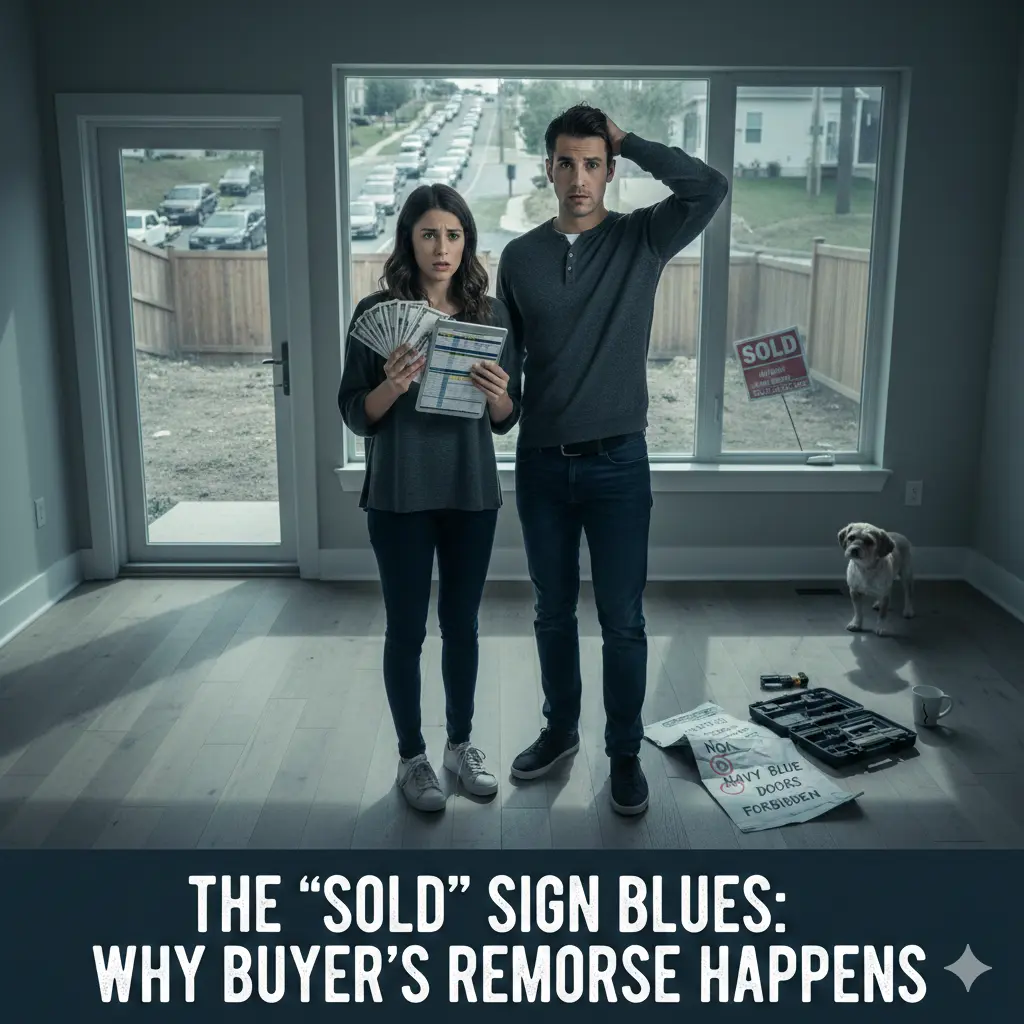
The moment the keys hit your palm at the closing table is supposed to be the ultimate "I’ve made it" milestone. But for many homeowners, the champagne toast is followed by a nagging, sinking feeling in the pit of the stomach.
According to various real estate surveys, a surprising number of buyers—sometimes upwards of 75%—report at least one regret about their home purchase. While some of these are minor "wish I’d picked a different paint color" thoughts, others are significant life-altering realizations.
If you’re on the hunt, understanding these common pitfalls can save you from a very expensive mistake. Here are the most frequent reasons people regret their home purchase after the ink has dried.
1. The "Hidden" Cost of Ownership
The biggest culprit for buyer's remorse isn't the house itself; it’s the math. Many first-time buyers focus entirely on the PITI (Principal, Interest, Taxes, and Insurance) and forget the "hidden" monthly drain.
-
Maintenance: A condo has an HOA to fix the roof; a house has you.
-
Utility Shock: Moving from a 900-square-foot apartment to a 2,500-square-foot home often results in a cooling bill that feels like a second mortgage.
-
The "Furnishing Tax": Filling extra bedrooms and buying a lawnmower adds up fast.
When your "fun money" disappears into a broken water heater or a lawn care service, the charm of the crown molding wears off quickly.
2. Underestimating the Commute
In the excitement of a beautiful kitchen, many buyers convince themselves that an extra twenty minutes on the road "won't be that bad." Fast forward six months, and those twenty minutes have become forty due to rush-hour fluctuations.
The "commute regret" is one of the hardest to fix because you can't renovate your proximity to the office. Spending ten hours a week in a car is a high price to pay for a walk-in pantry.
3. The Neighborhood "Vibe" Shift
You toured the house on a quiet Tuesday morning. It was serene. What you didn't see was the neighbor’s garage band that practices every Friday night, the high school traffic jam that blocks your driveway at 3:00 PM, or the lack of streetlights that makes evening walks feel sketchy.
The Fix: Before closing, savvy buyers visit the property at different times—Friday nights, Sunday mornings, and school-run hours—to see the neighborhood's true colors.
4. Compromising on the "Unchangeables"
There is a popular saying in real estate: "Marry the house, date the rate." While that’s true for interest rates, it’s even truer for the house’s layout and location.
People often regret compromising on things they cannot change, such as:
-
The Lot: A steep, unusable backyard or a house that sits below the street level (hello, drainage issues).
-
Natural Light: No amount of LED bulbs can replace the soul-crushing feeling of a north-facing house with tiny windows.
-
The Floor Plan: If you need a home office and think you can "just make the dining room work," you might find yourself resentful when you’re taking Zoom calls next to a humming refrigerator.
5. Skipping the Fine Print (Inspections and HOAs)
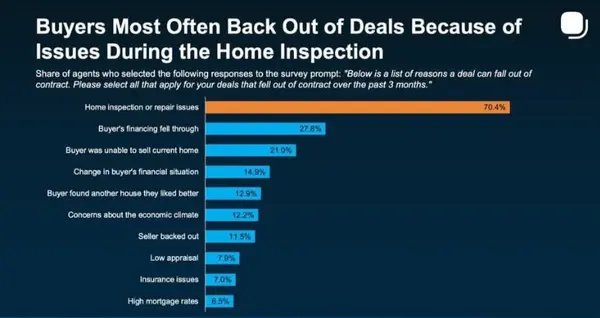
In a competitive market, some buyers waive inspections to win a bidding war. This is the real estate equivalent of a "Hail Mary" pass—it rarely ends well. Discovering a $30,000 foundation issue or a mold colony in the attic two weeks after move-in is a fast track to regret.
Similarly, HOA restrictions can be a major source of friction. If you planned on painting your door navy blue or parking your work truck in the driveway, and the HOA says "no," your dream home can start to feel like a rented room.
Comparison: Expectation vs. Reality
| The Dream | The Reality (Potential Regret) |
| "I'll renovate it myself!" | The cost of materials has doubled and you have no free weekends. |
| "It's a fixer-upper with potential." | You’re living in a construction zone with a baby on the way. |
| "I want a huge yard for the dog." | You spend every Saturday morning weeding and mowing. |
How to Buy Without Regret
To avoid joining the ranks of the remorseful, you need to be brutally honest with yourself. Ask: Am I buying this for the life I actually live, or the life I wish I lived? If you hate yard work, don't buy an acre. If you’re a social butterfly, don't buy in a secluded cul-de-sac. Most importantly, leave yourself a financial "buffer." A house is only a sanctuary if it doesn't make you "house poor."
The bottom line: A home is a place to live, not just an entry on a balance sheet. Make sure the lifestyle it provides matches the price tag you’re paying.
Categories
Recent Posts