
The Art City’s Roots: A Journey Through Springville’s History
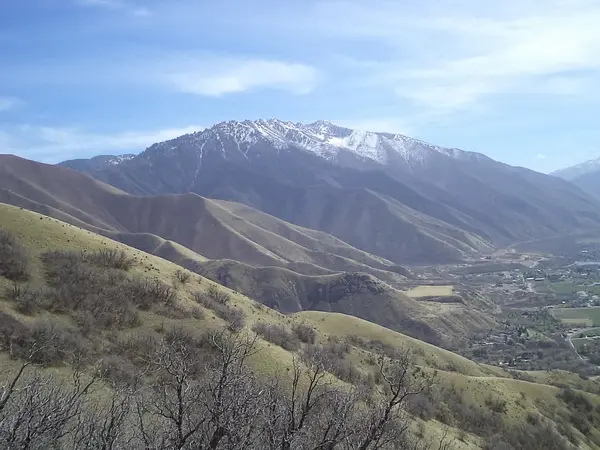
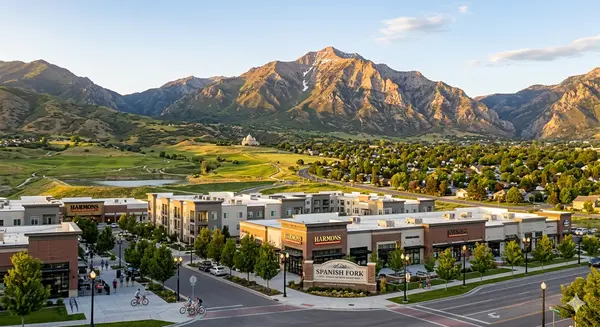
Nestled against the dramatic backdrop of the Wasatch Range, Springville is a city that defies the typical expectations of a Western pioneer town. While its roots are firmly planted in the rugged survivalism of the 1850s, its soul belongs to the world of fine art. This unique blend of grit and grace has earned it the well-deserved title of "Art City."
The Early Days: Settling Hobble Creek
The story of Springville began in September 1850, when a pioneer party led by Aaron Johnson arrived at the banks of what is now called Hobble Creek. The settlers were drawn to the area by its abundance of freshwater springs—a vital resource that would eventually give the city its name.
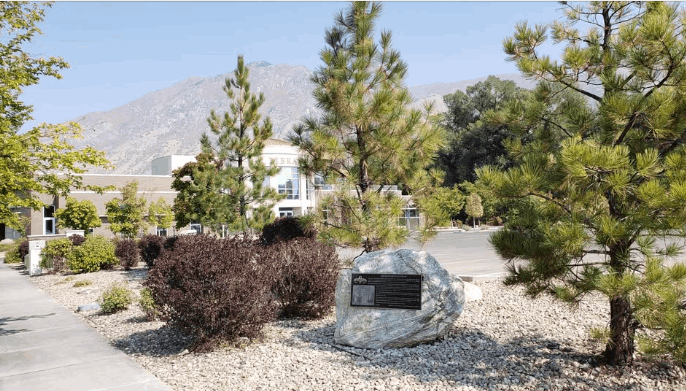
The naming of the creek itself is a piece of local lore; early explorers reportedly lost a pair of horse hobbles near the water, and the name "Hobble Creek" stuck. You can still visit the , a historical marker that commemorates the exact spot where these families spent their first nights in the valley.
Survival and the "Fort-on-the-Hobble"
Life in the early 1850s was a challenge of endurance. To protect themselves during the Walker War in 1853, the settlers constructed an extensive adobe fort.
-
The Structure: The fort enclosed an eight-block area, providing a safe haven for the growing community.
-
The Labor: Settlers baked thousands of adobe bricks from local clay, a testament to the industrious spirit that would later fuel the city's industrial growth in sugar beets and canning.

Today, the preserves the artifacts of this era.
-
Houses a collection of hand-made tools and furniture from the original fort families.
-
Serves as a primary resource for those researching the genealogical roots of the city’s founders.
A Cultural Turning Point
Springville’s transformation from a farming village to an art mecca was driven by the philosophy that a community needs more than just physical sustenance to thrive. In the late 19th century, local artists like John Hafen traveled to Paris to study, bringing a refined European aesthetic back to the high desert of Utah.

In 1903, a unique tradition began at Springville High School: students and faculty started collecting original artwork. This grassroots movement grew so significantly that by 1937, the community opened the .
-
The museum is housed in a stunning Spanish Colonial Revival building, designed as a "Sanctuary of Beauty."
-
It stands as Utah’s first museum for the visual arts and remains the heart of the city's cultural identity.
Modern-Day Landmarks and Industry

As the city moved past its pioneer phase, more permanent and refined architecture began to dot the landscape. The serves as a prime example of the beautiful residential structures that emerged as the community matured and moved beyond the walls of the original fort.

The natural geography that first attracted Aaron Johnson's party continues to be a focal point of the community today. offers a connection to the water and canyon trails that have sustained and entertained residents for 175 years.
-
Provides open spaces that mirror the original "Spring-ville" geography.
-
Offers a gateway to the mountains where the city’s early industrial and mining history took place.
Springville is a rare example of a city that has managed to preserve its frontier history while evolving into a sophisticated cultural destination. Whether you are walking through the galleries of the museum or standing at the site of the first pioneer camp, you are experiencing a legacy of vision and hard work.
Categories
Recent Posts