
Do You Have a Mold Problem in Your Utah Home?
The Question We Hear Most: "Can mold really be a problem in Utah's dry climate?" The simple answer is yes.
From the rapid snowmelt that floods basements in Northern Utah to the persistent condensation in bathrooms valley-wide, excess moisture can strike any Utah home. Mold isn't just a nuisance; it's a structural hazard that can silently erode your property's value and pose serious health risks. If you're buying, selling, or just protecting your investment, knowing the signs is critical. Here’s a detailed guide on how to spot a mold problem—even the hidden kind—in your Salt Lake City, Provo, or St. George home.
1. The Key Warning Signs: See It, Smell It, Feel It
Mold spores are everywhere, but they only become a problem when they find a persistent moisture source. Pay close attention to these three categories of warning signs:
👃 The Musty Smell (The Strongest Indicator)
If your home—especially your basement, laundry room, or utility area—has a persistent, earthy, or rotten odor that never goes away, you likely have hidden mold. This smell is caused by Microbial Volatile Organic Compounds (mVOCs) released by the mold. It often indicates growth behind walls, under floors, or in a crawl space.
👀 Visible Growth & Damage Clues
Mold comes in many colors: black, green, white, gray, and even orange.
-
Discolored Spots: Look for fuzzy or slimy patches on walls, ceilings, and in bathroom grout.
-
Peeling Paint or Bubbling Wallpaper: This is a classic sign of moisture trapped behind the surface, creating a mold incubator.
-
Warped or Softened Materials: If drywall or baseboards feel spongy or floors feel soft beneath your feet, it indicates structural damage from long-term moisture.
🤧 Unexplained Health Symptoms
Mold spores are powerful allergens. If you or your family members experience chronic symptoms that lessen when you leave the house and return when you get home, mold could be the culprit.
-
Persistent coughing, sneezing, or a runny nose.
-
Itchy, watery, or red eyes.
-
Asthma flare-ups or chronic wheezing.
-
Unexplained headaches or fatigue.
2. Common Mold Hotspots in Utah Homes
While mold can grow anywhere, these areas in typical Utah construction are the most vulnerable:
| Hotspot Area | Why Mold Grows Here in Utah | Prevention Focus |
| Basements & Crawl Spaces | Cooler temperatures cause moisture in the air to condense on walls, especially after snowmelt or heavy rain. Poor ventilation traps this moisture. | Dehumidification, Foundation Drainage. |
| Attics & Rooflines | Ice dams during winter or unnoticed roof/vent leaks can cause water to saturate insulation and sheathing for months. | Roof Maintenance, Proper Attic Ventilation. |
| Bathrooms & Kitchens | High daily moisture from showers and cooking combines with poor exhaust fan usage, leading to condensation on walls and ceilings. | Ventilation (run fans 15-20 min post-shower), Recaulking. |
| Around Windows & HVAC | Condensation on windows (especially during cold snaps) or moisture buildup in air conditioning drain pans creates a breeding ground. | Wipe Sills, Keep Drains Clear, Monitor HVAC ducts. |
3. Your Tools for Prevention: Dehumidifiers vs. Detection Kits
As a proactive homeowner, you have tools to monitor and prevent mold. It's important to know the limitations of each.
💧 The Role of the Dehumidifier: Your Best Defense
Mold requires a relative humidity (RH) consistently above 60% to thrive. A dehumidifier is your number one tool for prevention, especially in basements.
-
The Target Zone: Run your dehumidifier to keep the RH between 30% and 50%. This dries out the air, making it impossible for mold spores to activate and multiply.
- You can use a simple home monitor connected to your WIFI to get a weekly update on humidity levels in your house. They work great and can also monitor for radon. I use a small one from Airthings.
-
The Caveat: A dehumidifier stops new mold growth but will not kill existing colonies or fix a persistent water leak. Always fix the leak first!
🧪 Do DIY Home Detection Kits Work?
Kits from Home Depot or Lowe’s can be helpful but....while these kits are great for an initial curiosity, they are often misleading:
-
The Problem: Mold spores are everywhere, so these kits are almost guaranteed to give a positive result, even if you don't have an active problem.
-
The Solution: If you see visible mold, you don't need a kit—you need removal. If you smell a musty odor but see nothing, skip the DIY kit and call a professional mold assessor who can use specialized tools (moisture meters and thermal cameras) to find the hidden source.
4. The Real Estate Angle: Protect Your Home's Value
Whether you plan to sell next month or in ten years, managing mold is a direct investment in your home’s marketability.
-
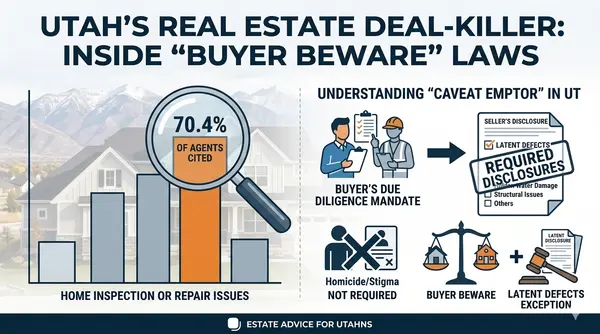
Disclosure is Key: In Utah real estate, sellers must disclose all known property defects, including a history of mold problems.
-
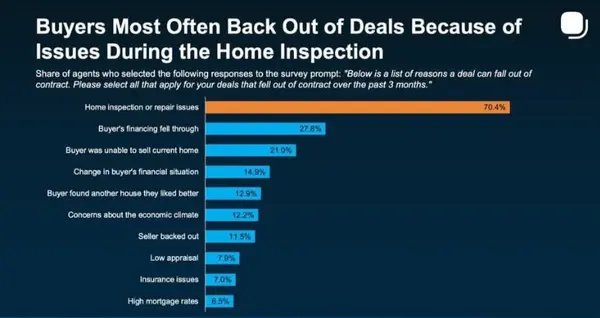
The Buyer's Fear: Mold is one of the top deal-breakers for homebuyers. A buyer learning about an active or poorly remediated mold issue during inspection can lead to a canceled sale or a negotiation demanding a price reduction of up to 20% to 37% in severe cases.
-
The Seller's Advantage: If you have had mold professionally remediated, having the full documentation—the initial inspection, the scope of work, and the final clearance test—provides peace of mind to buyers and protects your home's appraised value.
Conclusion: Don't Guess, Get Proactive
Mold is a manageable problem when you catch it early. Don't let a musty smell or peeling paint turn into a five-figure headache when you go to sell. Use ventilation, control your humidity, and monitor those high-risk areas.
As your local Utah real estate specialists, we know what home inspectors look for and how mold affects your transaction. If you suspect a mold issue may be impacting your ability to sell or if you need referrals for certified Utah mold inspectors and remediation professionals, we are here to help.
Contact us today for a free home value assessment or a list of trusted local mold experts!
Categories
Recent Posts