
Winning the Home Buying War: 3 High-Impact Strategies for a Competitive Market
In today’s real estate landscape, "business as usual" simply doesn’t cut it. You might spend weeks scrolling through listings and weekends touring open houses, but finding the perfect home is only half the battle. In a competitive market, the real challenge begins when you sit down to write an offer.
When you’re competing against multiple bids, price is rarely the only factor. Sellers are looking for certainty, speed, and a smooth path to closing. If you want to stand out, you need to think like a seasoned investor while maintaining the heart of a homeowner.
Here are three advanced strategies to give you the competitive edge and help you secure your dream home.
1. Move Beyond the Standard Pre-Approval
Most buyers enter the market with a standard pre-approval letter. While necessary, a basic pre-approval is often just a surface-level check of your credit score and stated income. In a high-stakes bidding war, this can feel "thin" to a savvy listing agent.
The Power of Being Fully Underwritten
To truly stand out, ask your lender to get you fully underwritten before you even start your search. This is a much deeper dive where an underwriter verifies your income, assets, tax returns, and employment history upfront.
Why this works:
-
Speed: It significantly shortens your closing timeline because the heavy lifting is already done.
-
Certainty: It signals to the seller that your financing is rock-solid. To them, a fully underwritten offer is nearly as attractive as an all-cash offer because the "financing contingency" risk is virtually eliminated.
2. Master the Art of Contingencies
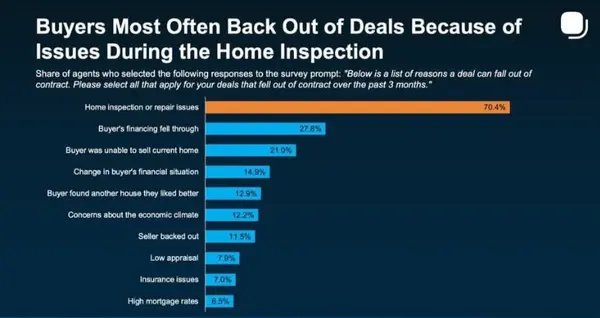
Contingencies are essentially "escape hatches" in a real estate contract. They allow a buyer to back out if something goes wrong (like a low appraisal or a failed inspection). While they protect you, they represent risk to the seller. To win, you must learn how to simplify or strategically remove these hurdles.
The Appraisal Gap
If you have the cash reserves, offering to cover an "appraisal gap" can make your offer irresistible. You essentially agree to pay your offered price even if the bank’s appraisal comes in lower, ensuring the seller gets their expected net proceeds.
The "Informational-Only" Inspection
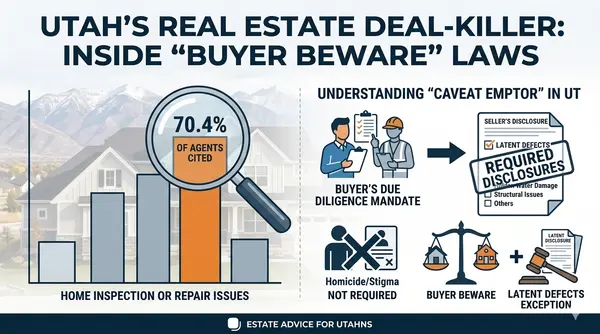
Lori’s golden rule is crucial: Never waive the inspection entirely. You need to know if the house has structural issues or a failing roof. However, you can offer an "Informational-Only" inspection. This tells the seller: "I’m going to inspect the home for my own peace of mind, but I won’t ask you for repairs or credits. I’ll either take the house as-is or walk away." This removes the fear of "nickel-and-diming" that many sellers dread during the escrow period.
3. Leverage the Power of Human Connection
In an era of digital signatures and automated forms, real estate can feel like a cold, clinical transaction. But for many sellers, their home is a vessel of memories—it’s where they raised children, celebrated holidays, and built a life.
Write a Personalized Offer Letter
A heartfelt, handwritten (or well-crafted) letter to the seller can be the "tie-breaker" in a multi-offer situation. Don't just talk about your qualifications; talk about why this home matters.
-
Mention specific details: "We fell in love with the way the morning light hits the breakfast nook."
-
Share your vision: "We can already imagine our children playing in the backyard you’ve cared for so beautifully."
When two offers are financially identical, sellers often choose the buyer they feel will love and respect the home as much as they did.
In a competitive real estate market, negotiation isn't just about the final price—it’s about the terms and the psychology of the deal.
Use this checklist to prepare for the back-and-forth and ensure you don’t leave money (or your sanity) on the table.
Phase 1: Pre-Negotiation Prep
Before you even submit an offer, you need to understand the playing field.
-
[ ] Define Your "Walk-Away" Number: What is the absolute maximum you will pay? Stick to this to avoid emotional overspending.
-
[ ] Review Comparable Sales (Comps): Look at homes sold in the last 90 days within a half-mile radius to justify your price.
-
[ ] Research the Seller’s Motivation: Why are they moving? (Job relocation? Divorce? Downsizing?). Knowing their timeline helps you tailor your terms.
-
[ ] Check "Days on Market" (DOM): If a house has been sitting for 30+ days, you have significantly more leverage to negotiate a lower price or repair credits.
Phase 2: Building the "Clean" Offer
The fewer hurdles for the seller, the more likely they are to accept a lower price.
-
[ ] Shorten the Inspection Window: Instead of the standard 10–14 days, can you get it done in 5?
-
[ ] Offer a Flexible Closing Date: Ask the seller what their ideal move-out date is and match it.
-
[ ] Include an "Escalation Clause" (If applicable): This automatically increases your offer by a set amount (e.g., $2,000) above any higher competing bid, up to your maximum.
-
[ ] Pre-Underwritten Approval: Ensure your lender's letter is attached to prove you are as good as cash.
Phase 3: Post-Inspection Negotiations
This is where the real "second negotiation" happens.
-
[ ] Prioritize "Big Ticket" Items: Focus on the "Big Four": Roof, HVAC, Electrical, and Plumbing. Ignore the chipped paint or old carpet.
-
[ ] Request Credits over Repairs: Instead of asking the seller to fix a leaky pipe, ask for a closing cost credit. This allows you to choose your own contractor and ensure the work is done right.
-
[ ] The "Information-Only" Pivot: If you promised not to ask for small repairs in your initial offer, only bring up safety hazards or structural failures discovered during the inspection.
-
[ ] Keep a "Paper Trail": Ensure all negotiated repairs or credits are added as a formal addendum to the contract.
Phase 4: Closing the Gap
If the seller counters your offer, use these tactics to stay in the lead.
-
[ ] The "Split the Difference" Move: If you are $10,000 apart, suggesting a $5,000 compromise often ends the stalemate.
-
[ ] Offer an Earnest Money Boost: Increasing your "good faith" deposit shows the seller you are 100% committed to the deal.
-
[ ] Request "Non-Realty" Items: If the seller won't budge on price, ask them to throw in the high-end washer/dryer, the patio furniture, or the riding lawnmower.
-
[ ] Stay Calm: Real estate is emotional. If the seller gets defensive, have your agent remind them of the data and the benefit of a guaranteed closing.
The Bottom Line
Success in a competitive market isn't about luck; it's about preparation and strategy. By tightening your financing, reducing seller risk through contingency management, and connecting on a human level, you transform yourself from "just another bidder" into the clear choice.
As the market continues to evolve, staying informed is your best defense. If you're ready to dive deeper into the tactics that win homes, you can find my full library of advanced buying and selling playbooks at LoriCollins.com.
Don’t leave your future home to chance. Let’s get you the keys!
Categories
Recent Posts