The Hidden Stories of Old Utah: Navigating the Red Flags of Historic Homes
There is an undeniable magic to Utah’s historic neighborhoods. Whether it’s the tree-lined streets of Springville, the Victorian charm of the Avenues in Salt Lake City, or the sturdy brick bungalows of Provo, older homes offer a level of craftsmanship and character that modern builds often struggle to replicate.
As a realtor based in Springville, I’ve walked through hundreds of these "diamond in the rough" properties. They have stories to tell—but as any homeowner will tell you, some of those stories are more expensive than others. If you’re considering purchasing a home built 50, 75, or even 100 years ago, it’s essential to look past the stained glass and hardwood floors to see the "red flags" that could impact your investment.
1. The Sky Above: Roof Age and Utah’s Extreme Climate
Utah’s weather is spectacular, but it’s brutal on roofing materials. We experience a unique combination of high-intensity UV rays in the summer and heavy, wet snow loads in the winter. In many older homes, roofs may have been "layered" rather than replaced, where new shingles are simply nailed over old ones.
When evaluating a roof, look for curling shingles, missing granules, or signs of moisture in the attic. An aging roof isn’t just a leak risk; it can affect your ability to secure affordable homeowners insurance.
2. Under the Hood: Outdated Electrical Systems
Modern living requires a lot of power. Between home offices, electric vehicle chargers, and high-efficiency HVAC systems, our electrical demands are higher than ever. Many of Utah’s older homes were originally built with knob-and-tube wiring or older aluminum wiring, which can be significant fire hazards.
In the short video https://www.youtube.com/shorts/LiQGQKbUlQU
I mentioned my own personal experience: my home is over 100 years old, and I recently had to replace an outdated electrical panel at a cost of $4,500. These are the types of "invisible" upgrades that don’t add aesthetic value but are critical for safety and code compliance. Always check the panel for "Federal Pacific" or "Zinsco" brands, which are notorious for failing to trip during a surge.
3. Firm Ground: Foundation Settlement vs. Structural Issues
In Utah, the soil can vary wildly from sandy benches to heavy clay. It’s perfectly normal for a home that has stood for a century to have some settling. You might notice a slight slope in the floor or a small hairline crack in the plaster—often called "settling with character."
However, large, stair-step cracks in exterior brickwork or interior basement walls are red flags for structural movement. If you can fit a coin into a foundation crack, or if doors and windows are sticking so badly they won't open, it’s time to call in a structural engineer for a professional evaluation.
4. The Flow of Things: Plumbing and the $10,000 Surprise
Plumbing is another area where "out of sight" shouldn't mean "out of mind." Older homes often utilize galvanized steel pipes (which corrode from the inside out) or lead pipes.
The biggest risk, however, lies beneath your front yard: the sewer lateral. In many older Utah neighborhoods, these lines are made of clay or "Orangeburg" (tar paper) pipes. Over decades, tree roots can infiltrate these lines, causing backups or total collapses. A new sewer line can easily cost over $10,000.
Pro-Tip: Never buy an older home without a "sewer scope" inspection. This small upfront investment can give you the leverage to negotiate a repair or replacement with the seller before you close.
5. Keeping the Warmth In: Modern Insulation Standards
If you’ve ever spent a January night in a home built in the 1920s, you know that "charming" can quickly turn to "freezing." Many older homes were built before modern insulation standards existed. Some may have no wall insulation at all, or they may use outdated materials like sawdust or rock wool.
Upgrading insulation in the attic and crawlspace is one of the most cost-effective ways to lower your Utah utility bills. During your walkthrough, feel the interior walls; if they feel significantly colder than the room air, you're likely looking at a home with poor thermal resistance.
Finding the Balance
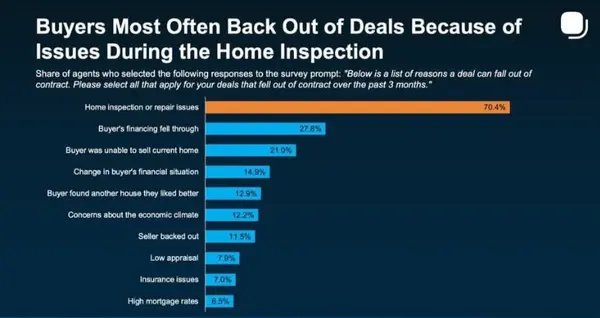
Buying an older home is a labor of love. While these red flags may seem daunting, they shouldn't necessarily deter you from buying the home of your dreams. Instead, they should serve as a roadmap for your home inspection and your price negotiations.
Knowledge is power. When you know what to look for, you can budget for the "unseen" and ensure that your historic Utah home remains a sanctuary for the next hundred years.
Why This Matters
An older home isn't just a house; it’s an investment in craftsmanship. By checking these boxes early, you can negotiate credits at closing or plan your renovation budget with total confidence.
Expert Tip from Lori: "Don't let a 'red flag' scare you away from a house you love. Almost everything is fixable—the key is knowing the cost before you sign the papers."
🏠 The Utah Historic Home Buyer’s Checklist
A guide for navigating character, charm, and hidden costs.
Exterior & Structure
-
[ ] Roof Layers: Check if there are multiple layers of shingles (Utah code usually limits this to two).
-
[ ] Masonry & Brick: Look for "spalling" (flaking brick) or crumbling mortar joints, especially near the ground where snow sits.
-
[ ] Grading: Does the ground slope away from the foundation? (Crucial for preventing basement flooding during Utah's spring runoff).
-
[ ] Foundation Cracks: Note any horizontal cracks or "stair-step" patterns in the concrete or stone.
Electrical & Plumbing
-
[ ] The Panel: Identify the brand. Does it have "blown fuses" or modern "circuit breakers"?
-
[ ] Visible Wiring: In the attic or basement, look for ceramic "knobs" or "tubes" indicating ungrounded electrical systems.
-
[ ] Pipe Material: Check for galvanized steel (grey/silver) which can restrict water pressure over time.
-
[ ] Main Water Shut-off: Locate it to ensure it’s accessible and not rusted shut.
The "Hidden" Essentials
-
[ ] Sewer Lateral: MUST DO. Schedule a camera scope to check for root intrusion or pipe collapse.
-
[ ] Insulation: Check the attic floor. If you see joists, you likely need more insulation to meet Utah's R-value standards.
-
[ ] Windows: Are they original single-pane wood? Check for "storm windows" which help with Utah’s 100-degree temperature swings.
-
[ ] Lead/Asbestos: If built before 1978, keep an eye out for peeling paint or "popcorn" ceilings and floor tiles that may contain hazardous materials.
Frequently Asked Questions About Buying Older Homes in Utah
1. Is it worth buying a 100-year-old home in Utah? Absolutely! Older homes in Utah, especially in areas like Springville or the Salt Lake avenues, offer unmatched character, mature landscaping, and solid "old-growth" wood construction. However, it is worth it only if you factor potential upgrades (like electrical or plumbing) into your initial budget or use them as negotiation points during the purchase.
2. How much does a sewer scope cost in Utah, and do I really need one? A typical sewer scope in Utah costs between $150 and $300. It is highly recommended for any home older than 30 years. Since many older Utah neighborhoods have clay or Orangeburg pipes, discovering a $10,000 collapse before you buy can save you from a financial disaster.
3. What is the most common electrical issue in historic Utah homes? The most common issues are outdated panels (like Federal Pacific or Zinsco) and knob-and-tube wiring. Many insurance companies in Utah will not insure a home with active knob-and-tube wiring, so replacing these systems is often a priority for new owners. As Lori mentioned, a panel upgrade typically costs around $4,500.
4. How can I tell if a foundation crack is serious? In Utah’s dry climate, small "hairline" shrinkage cracks are common and usually not a threat. However, horizontal cracks or cracks wider than 1/4 inch (the width of a pencil) are red flags for soil movement. If you see these, or if the floors feel significantly unlevel, you should have a structural engineer take a look.
5. Why is insulation such a big deal for older Utah houses? Utah has extreme temperature swings, from 100°F summers to sub-zero winters. Older homes were often built without wall insulation. Upgrading to modern blown-in insulation or sealing the attic can reduce your heating and cooling costs by 20% to 50%, making an old house much more affordable to maintain.
Categories
Recent Posts