
Radon Gas in the Wasatch Front: The Silent Deal-Breaker Every Homeowner Needs to Know
If you live along Utah's stunning Wasatch Front, you're no stranger to breathtaking mountain views, vibrant communities, and a quality of life that's hard to beat. From the bustling streets of Salt Lake City to the serene slopes of Park City, our unique environment is what draws so many of us here.
However, beneath all that beauty and geological grandeur lies a hidden danger, one that you can't see, smell, or taste, but that poses a significant threat to both your health and your home's value. It’s called Radon Gas, and if you own property or are looking to buy in the Wasatch Front, it needs to be on your radar.
What Exactly is Radon Gas?
Radon is a naturally occurring radioactive gas. It's formed from the natural decay of uranium found in nearly all soils. As uranium breaks down, it produces radium, which then decays into radon. This gas then seeps up from the ground and can enter your home through cracks in the foundation, gaps around pipes, sumps, or other openings. Once inside, it can accumulate to dangerous levels.
While radon is present everywhere, its concentration in the ground varies significantly depending on local geology. And that's where the Wasatch Front comes in.
Why the Wasatch Front is a High-Risk Area
Our unique geological makeup along the Wasatch Front—characterized by ancient lake beds (Lake Bonneville), fault lines, and specific soil compositions—creates prime conditions for radon gas to be present in higher-than-average concentrations. The Environmental Protection Agency (EPA) designates areas as Zone 1, 2, or 3 based on their potential for elevated indoor radon levels. A significant portion of Utah, especially along the Wasatch Front, falls into Zone 1, meaning there's a high potential for homes to have radon levels above the EPA's action level of 4 picocuries per liter (pCi/L).
To put this into perspective, nearly one in three Utah homes tested have dangerous levels of radon. This isn't just a random statistic; it's a testament to the pervasive nature of this issue in our region.
The "Silent Killer": Health Risks of Radon
The most alarming aspect of radon is its impact on health. Because it’s odorless and colorless, most people are completely unaware they are being exposed. When you breathe in radon, its radioactive particles can damage the cells in your lung lining, leading to lung cancer.
The scary truth? Radon is the leading cause of lung cancer among non-smokers in the United States, and the second leading cause overall. The EPA estimates that radon causes about 21,000 lung cancer deaths per year. For Wasatch Front residents, this isn't just a national statistic; it’s a local concern that directly impacts our communities.
Radon as a Real Estate "Deal-Breaker"
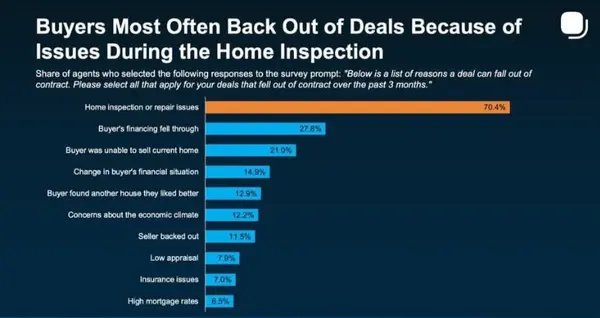
Beyond the critical health implications, radon has become an undeniable factor in real estate transactions. In today's market, buyers are more informed and health-conscious than ever before. When a home inspection includes a radon test, and that test comes back with high levels, it can transform what was a smooth sale into a complicated, stressful, and potentially failed deal.
Imagine this scenario: You've accepted an offer on your beautiful Wasatch Front home. The buyers are excited, and everything is moving forward. Then, the radon test results come back: 12 pCi/L – three times the action level. Suddenly, the buyers are hesitant. They might ask for a significant credit, demand mitigation, or even walk away entirely. What was once a minor concern for some is now a major red flag for most, potentially costing sellers thousands in negotiations or lost time on the market.
For buyers, discovering high radon levels can be a genuine concern. While they might love the house, the thought of moving into a home with a known carcinogen can be a significant deterrent, even if mitigation is offered.
The Good News: Radon is Fixable!
Here’s the crucial takeaway: While the presence of radon is serious, it’s also completely manageable and fixable. This is not a problem without a solution.
-
Testing is Easy and Inexpensive: The first step is to test your home. Radon test kits are readily available online, at hardware stores, or through your local health department. Many kits are free or cost less than $20, and they are simple to deploy yourself. Professional testing is also an option. Testing typically involves placing a small device in the lowest lived-in level of your home for a period (e.g., 2-7 days for a short-term test).
The Utah Department of Environmental Quality often provides discounted or free test kits. Do a quick search for "Utah radon test kit" to find current offers!
-
Mitigation is Effective: If your test results show elevated radon levels (above 4 pCi/L), a professional radon mitigation system can be installed. These systems typically involve creating a suction point in your foundation or slab and using a fan to draw the radon gas from beneath your home and vent it safely outside, above the roofline.
Most mitigation systems can be installed by certified professionals in a single day, and they are highly effective, often reducing indoor radon levels by 90% or more. The cost typically ranges from $800 to $2,500, a small price to pay for peace of mind and protecting your home's value.
Understanding how radon levels fluctuate is key to accurate testing. Because radon is a gas, its movement is almost entirely dictated by pressure differentials—the difference in air pressure between the soil under your home and the air inside your living space.
1. How Barometric Pressure Impacts Radon
Think of your home like a giant straw. When the atmospheric (barometric) pressure changes, it changes how "hard" that straw is sucking from the ground.
-
Falling Barometric Pressure (The "Suction" Effect): When a storm front moves in and the outside air pressure drops, it creates a relatively higher pressure in the soil compared to the air. This "pushes" radon gas out of the soil and "pulls" it into your home through foundation cracks, sump pumps, and floor drains. You will often see a sharp spike in radon levels just before and during a storm.
-
Rising Barometric Pressure (The "Cap" Effect): High-pressure systems (clear, sunny days) essentially press down on the soil, making it harder for the gas to escape. This usually results in lower indoor radon levels.
2. Summer vs. Winter: The "Stack Effect"
In Utah and the Wasatch Front, seasonal differences are dramatic. On average, radon levels are 70% higher in the winter than in the summer.
Winter: Peak Risk
-
The Stack Effect: This is the biggest factor. As you heat your home, warm air rises and escapes through the attic and upper-floor vents. This creates a vacuum (negative pressure) in the lowest level of the house, which actively sucks radon gas up from the soil to replace the lost air.
-
Frozen Ground & Snow: When the ground freezes or is covered in a thick layer of snow/ice, radon can’t escape easily into the atmosphere. It becomes trapped underground and takes the "path of least resistance"—which is the warm, unfrozen soil directly beneath your heated foundation.
-
Sealed Home Conditions: We keep windows and doors shut tight to save on heating costs, which traps any radon that enters inside the house, allowing it to concentrate.
Summer: Lower (But Not Zero) Risk
-
Open Windows: Natural ventilation from open windows dilutes the radon concentration.
-
Neutral Pressure: Since the temperature inside is closer to the temperature outside, the "Stack Effect" is much weaker.
-
A Warning on AC: If you run a powerful central AC or window units that aren't balanced, you can occasionally create negative pressure that pulls radon in, but generally, summer levels remain significantly lower than winter levels.
Summary Table: When to Test
| Condition | Radon Trend | Why? |
| Winter | Highest | Stack effect + frozen ground + sealed windows. |
| Summer | Lowest | Better ventilation + less pressure differential. |
| Rainy/Stormy | Spike | Falling barometric pressure "pulls" gas into the home. |
| Clear/Sunny | Dip | High pressure "pushes" gas back into the soil. |
The "False Security" Trap
If you test your home in the summer and get a reading of 2.5 pCi/L (below the EPA's 4.0 pCi/L limit), your winter levels could easily be 4.5 or 5.0 pCi/L. This is why experts recommend testing in the winter or using a long-term (90-day to 1-year) test to get a true average of your exposure.
Getting a test kit is the easiest way to protect your home's health and value. In Utah, you have several options ranging from free kits to deeply discounted state-sponsored ones.
Where to Get Your Test Kit
| Source | Cost | Best For... |
| Utah DEQ (radon.utah.gov) | $10.95 | The most reliable official state-sponsored option. Includes lab fees. |
| Utah Radon Services | FREE | Homeowners who want a free kit delivered to their door. |
| Utah Radon Coalition | FREE / Low Cost | Low-income families or seniors who may need help with mitigation later. |
| County Health Depts. | Varies ($0–$10) | Residents in Davis, Summit, or Wasatch counties (often free during winter). |
Recommended Links & Resources
-
Official State Website: radon.utah.gov
-
This is the gold standard for Utah residents. The $10.95 price is a significant discount compared to the $30–$50 you might pay at a hardware store.
-
-
Utah Radon Services (Free Kit): utahradonservices.com/radon-test/
-
A local company that provides free kits to encourage testing across the Wasatch Front.
-
-
Davis County Health Dept: daviscountyutah.gov
-
If you live in Davis County, they specifically offer free testing from November through March.
-
Pro-Tip for the Wasatch Front:
Since we are currently in December, you are in the "ideal" window for testing. Because of the Stack Effect we discussed, testing now will give you a "worst-case scenario" reading. if your home is safe in December/January, you can feel very confident about your levels the rest of the year!
Don't Wait – Take Action Today
Whether you’ve lived in your Wasatch Front home for decades, are preparing to sell, or are currently searching for your dream home, understanding and addressing radon gas is paramount. It’s an investment in your family's health and a safeguard for one of your most valuable assets.
Don't let radon be the silent deal-breaker. Take control, get your home tested, and ensure your beautiful Wasatch Front haven is truly safe and sound. Your lungs, and your real estate agent, will thank you.
Categories
Recent Posts