
Choosing a Neighborhood: Focus on Objective Features for Long-Term Value
1. Commute Convenience and Major Access Routes
A neighborhood's proximity to transportation is a perpetual factor in its desirability. When evaluating an area, look beyond the immediate block:
-
Access to I-15: For Springville residents, easy, uncongested access to the I-15 corridor is paramount for both Salt Lake and southern Utah County commuters. A few extra minutes to the on-ramp can translate to hours saved per week.
-
Daily Routes: Consider your regular routes—school drop-offs, grocery runs, and work. Convenience in these daily travel patterns adds significant, lasting value to the home. The less time you and future buyers spend in transit, the more attractive the location is.
2. Nearby Amenities: The Walkability and Utility Factor
Amenities are the services, businesses, and recreational options that make a community livable. They are a powerful, objective indicator of a stable and sought-after location:
-
Shopping & Services: How close are essential services like grocery stores, pharmacies, and medical centers? Quick access to these services is a major selling point.
-
Parks and Trails: Look for established parks, local trail systems, and recreation centers. Springville and the surrounding area are known for their outdoor access, and properties near these resources maintain higher demand.
3. Understanding Future Development and Growth
Smart growth planning often leads to neighborhood stability and future appreciation. By understanding a city's plans, you can predict where value is headed:
-
Zoning and Planning: Reviewing the city's master plan or zoning maps can give you insight into planned commercial or residential development. Growth that brings new businesses, infrastructure, or community centers can positively impact your property's value.
-
Stability: Look for areas where growth is managed and intentional, rather than purely speculative, which helps predict long-term stability.
4. Condition and Maintenance Trends
The general upkeep of homes and public areas in a neighborhood is a direct reflection of community pride and commitment—which translates directly into value.
-
Home Upkeep: When driving through, observe how well maintained the homes, yards, and common areas (like HOA spaces or community entrances) appear. A neighborhood where homeowners take pride in their properties generally has more stable or rising values.
-
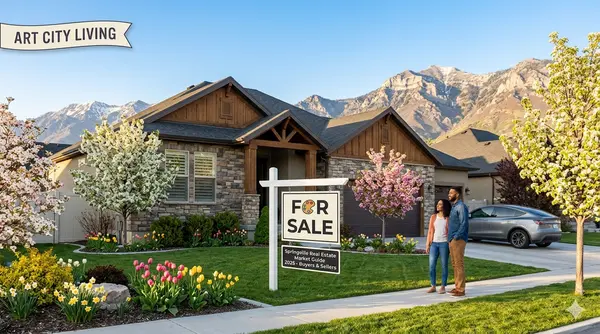
Curb Appeal: Neighborhoods with strong curb appeal—meaning consistent, well-cared-for landscaping and exteriors—attract more buyers and command higher prices over time.
Once You Think You Have Found a Possible Home
Beyond the Listing: Observing the Neighborhood in Real-Time
Once you've narrowed your focus to a potential home, it’s time for some investigative work. A house is a static object, but a neighborhood is dynamic, and its character changes throughout the day. You should visit the location during different time periods—morning rush hour, mid-day, and late evening—to get a full sense of what life is truly like there.
Observe local traffic patterns and volume during different times of day. Does a quiet street turn into a busy thoroughfare during the school run? This real-time observation is crucial for evaluating noise levels and safety. Furthermore, if you have children or are planning to, pay attention to nearby schools and parks. Are children actively playing? Are the parks well-maintained and busy? These small details offer a window into the community's activity level and its general upkeep.
The Value of Schools: More Than Just Education
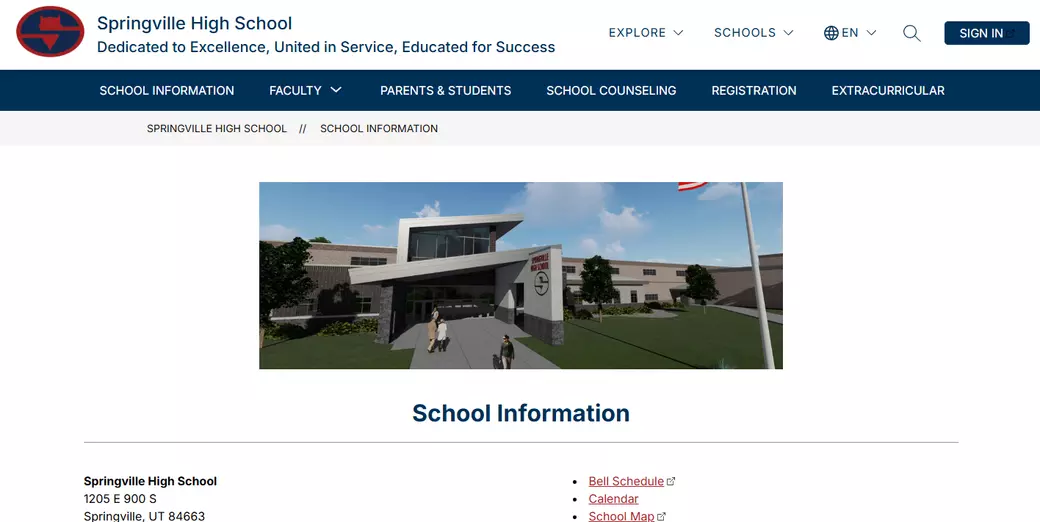
When evaluating a neighborhood, looking at the local school system is key, even if you don't have children. Strong school ratings and a wide array of activities—from sports to arts programs—are objective indicators of a stable community and strong resale value. Future buyers, especially families, place a high premium on quality education, so a good school district will make your home more attractive and support better long-term appreciation. You can often check these ratings and available extracurriculars through resources like the Utah State Board of Education website or independent rating sites. Often the MLS has a school rating section that you can review.
The Hidden Financial and Safety Factors
Your evaluation must also include the less visible but equally critical financial and safety elements. These issues significantly affect your long-term ownership costs and peace of mind:
-
Local Property Taxes: Property taxes vary by city and county. It’s essential to look up the current property tax rate for the specific address and estimate your annual tax burden. This recurring cost is a key part of your total housing expense. You can usually find this information on the Utah County Assessor’s or Recorder’s office website.
-
Crime Rates: While no area is completely crime-free, you should research local crime statistics for the specific neighborhood. Look for data from the local Police Department or online crime mapping tools to get a realistic picture of the safety record. Understanding the crime rate helps you assess the overall security of the area and its long-term stability.
By combining the objective features discussed in the video with your own detailed observations and financial research, you’ll be making an informed decision that supports both your lifestyle and your financial goals.
A Wasatch Front Bonus Feature: Mountain Recreation
For the Utah Valley area specifically, never underestimate the objective value of proximity to mountain recreation. Highlighted in the video, features like nearby trailheads, canyons (like Hobble Creek or Spanish Fork Canyon), lakes, and open spaces are enjoyed by virtually everyone and are a massive bonus that helps a home stand out in the future.
Ready to Evaluate Your Investment?
Choosing a neighborhood is a strategic decision that should be guided by objective data, not hearsay. If you want help evaluating neighborhood features in Springville to support your long-term goals and ensure your investment is sound, I’m here to help.
Contact me today for a personalized neighborhood analysis!
Categories
Recent Posts